
Dri-Eaz Damage Restoration in Bloomington: A Homeowner’s Guide
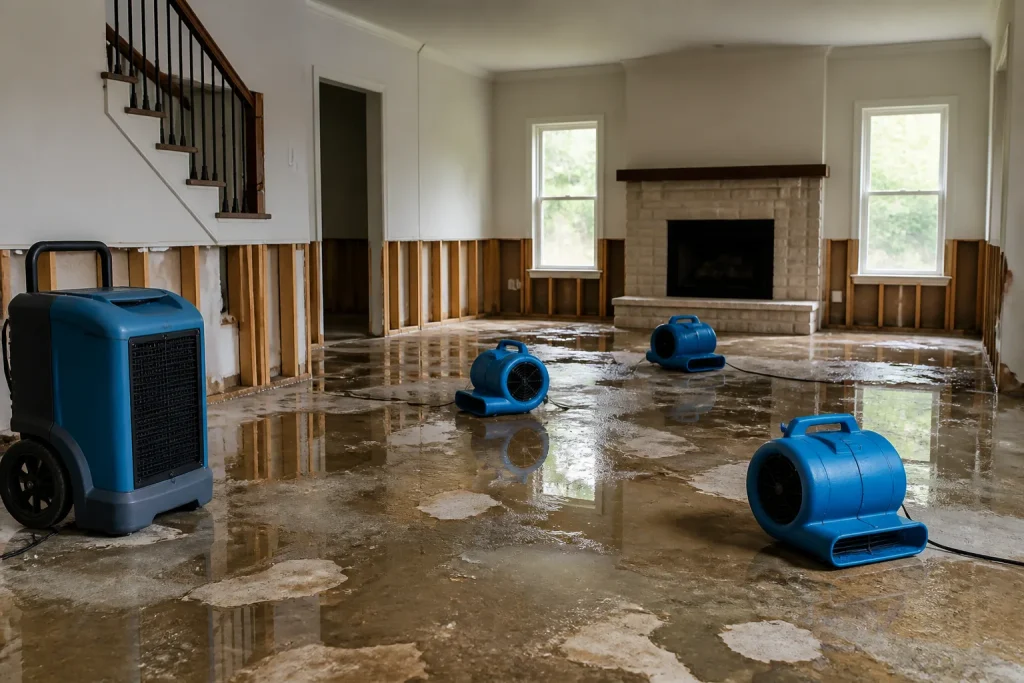
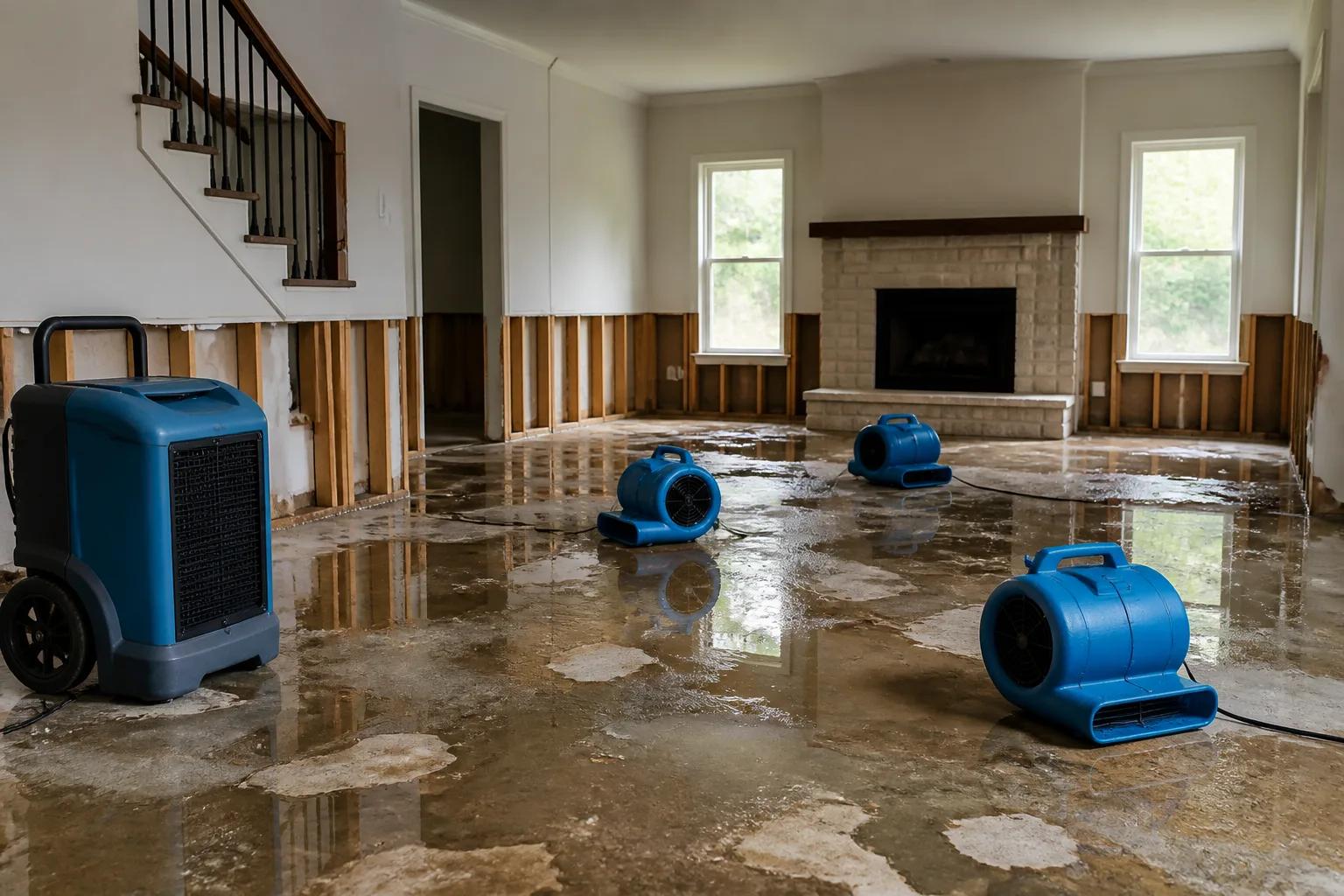
Dri-Eaz damage restoration in Bloomington typically involves LGR dehumidifiers and air movers that remove moisture from walls, floors, and structural cavities after water damage, but the equipment only works when paired with proper moisture mapping and certified operation. In Bloomington’s humid continental climate, standard drying cycles often need to run 20-30% longer than manufacturer defaults to prevent hidden mold growth. If you’d rather not manage the monitoring yourself, call us at (866) 624-5122 for a free assessment.
A restoration crew can show up within two hours, run Dri-Eaz LGR dehumidifiers for three days straight, and still leave your subfloor wet - because the equipment only performs as well as the moisture-mapping done before it’s turned on. We’ve seen it happen. The machines hum, the hoses drain, and everyone assumes the job is done until six months later a homeowner in the Elm Heights area calls us about a musty smell that turned out to be mold behind baseboards that never dried below 16% moisture content. The Dri-Eaz units were working fine. Nobody checked the right spots.
What Is LGR Technology and Why Does It Matter in Bloomington?
LGR stands for Low Grain Refrigerant. Standard dehumidifiers pull moisture until the air reaches about 55-60 grains per pound. Dri-Eaz LGR units keep pulling down to about 34-40 grains per pound. That gap matters enormously in Bloomington, where spring humidity routinely pushes 75% and summer air holds enough moisture to slow evaporation to a crawl.
Here’s the practical difference. A standard dehumidifier in a flooded basement near Lake Monroe might drop relative humidity to 50% and call it done. An LGR unit keeps working until the air is dry enough to pull residual moisture out of oak floorboards and the paper facing on drywall. Without that deeper drying, you get what we call “dry to the touch, wet inside” - surfaces feel dry while the wall cavity behind them stays damp enough for Aspergillus and Stachybotrys to colonize.
Three things to verify when a crew sets up Dri-Eaz equipment in your Bloomington home:
- The unit should be an LGR model (look for the blue housing with “LGR” on the control panel, or ask the technician to confirm)
- Air movers should be positioned to create a vortex pattern, not just pointed at the wet spot
- The dehumidifier intake should draw from the warmest, driest air in the room, not the coldest corner
Positioning sounds minor. It isn’t. We’ve walked into jobs in the Near West Side where three Dri-Eaz F413 units were running but two were pulling the same moist air because nobody mapped the airflow. The homeowner paid for six days of rental when four would have sufficed with proper placement.
How to Read Moisture Data and Know If the Setup Is Actually Working
Psychrometrics is the study of air and moisture relationships. You don’t need to understand the math. You need to know what numbers to ask for.
When a certified technician sets up Dri-Eaz equipment, they should record baseline readings before anything runs. Ask to see these four numbers:
- Relative humidity (RH) in the affected room - typically 60-90% after water damage in Bloomington
- Temperature - ideally 70-80°F for optimal LGR performance; cooler basements need longer cycles
- Specific humidity (grains per pound) - the target is under 40 GPP for structural drying
- Moisture content of affected materials - wood should read below 16%, drywall below 1% above normal for that home
We use Injectidry systems alongside Dri-Eaz LGR units when moisture is trapped behind cabinets or inside wall cavities. The Injectidry pushes dry air through hoses into sealed spaces, but it only works if the source air is genuinely dry - which brings us back to whether your LGR unit is actually hitting its targets.
Red flag: if a technician checks the room with a handheld meter, nods, and packs up without showing you logged readings over multiple days, you’re trusting vibes over data. In Bloomington’s variable spring weather, indoor conditions shift daily. One reading means almost nothing.
What those numbers should look like before removal:
| Material | Starting Range | Target Before Removal |
|---|---|---|
| Oak hardwood flooring | 20-30% | ≤12% |
| Pine subfloor | 25-35% | ≤14% |
| Drywall (paper face) | 15-25% | ≤12% or ≤1% above baseline |
| Concrete slab | 100% RH (saturated) | ≤75% RH with calcium chloride test |
Why Bloomington’s Climate Forces Longer Drying Cycles
Indiana sits in a humid continental climate zone. Bloomington specifically gets 45-48 inches of annual precipitation, with May and June often the wettest months. That external moisture load changes how Dri-Eaz equipment performs.
Manufacturers test LGR units in controlled environments, typically 80°F and 60% RH. Bloomington basements in April might run 62°F and 78% RH. The machine works harder, extracts less water per hour, and needs more runtime to reach the same grain depression. A technician who plugs in default settings and checks back in 72 hours is following a script, not reading conditions.
We adjust for this in several ways. First, we heat affected spaces when possible - even portable heaters help LGR efficiency significantly. Second, we seal the drying chamber more aggressively, using polyethylene sheeting to isolate wet rooms from the rest of the house. Third, we extend monitoring intervals. A job that dries in three days in Phoenix needs five in Bloomington. Anyone who tells you different hasn’t accounted for the local climate.
The limestone bedrock around Monroe County also affects groundwater behavior. Homes in lower elevations, particularly near Clear Creek or the Salt Creek watershed, deal with higher soil moisture that wicks into foundations. Exterior water management matters as much as interior drying, and Dri-Eaz equipment alone won’t solve a grading problem.
Documentation You Should Demand: Pre- and Post-Drying Logs
Insurance adjusters in Monroe County increasingly require documented moisture logs. More importantly, you should want them for your own protection.
A proper log shows:
- Date, time, and exact location of each reading
- Equipment model and serial number (yes, for Dri-Eaz units specifically)
- All four psychrometric numbers at each visit
- Photographs of meter placement on materials
- Technician signature and certification number
Ask your contractor to email you a copy daily. If they resist, that’s information worth having about their operation. The Damage Restoration in Bloomington crews we work with provide these as standard practice - part of the Locally Verified commitment to transparency.
What we look for in a completed log: a steady downward trend in both air grains per pound and material moisture content. Flat lines or spikes indicate equipment problems, hidden moisture sources, or poor containment. We once found a spike in a Bloomington log that traced back to a homeowner opening windows during a rainstorm - easy to fix once identified, invisible without data.
Why the Technician’s Certification Matters as Much as the Machine Brand
Dri-Eaz builds excellent equipment. So does B-Air. The machine doesn’t choose where to place itself, interpret readings, or recognize when standard protocols fail.
IICRC WRT certification - Water Damage Restoration Technician - is the baseline credential we look for. It covers psychrometrics, equipment placement, and moisture monitoring. More advanced credentials like IICRC ASD (Applied Structural Drying) add training on complex building systems and large-loss scenarios.
RIA certification indicates broader restoration industry engagement and continuing education. A technician carrying both IICRC WRT and RIA credentials has demonstrated commitment beyond a weekend course.
Here’s what certification actually protects you against: the crew that sets one dehumidifier in a 2,000 square foot basement and calls it good. The crew that doesn’t know to check behind the vapor barrier in a crawl space. The crew that pulls equipment at 72 hours because “that’s what the schedule says” while your sill plates still read 18% moisture.
We’ve cleaned up after uncertified operators in Bloomington. It’s expensive. It’s avoidable. Ask for credentials before work starts, and verify them through IICRC’s online directory. Any hesitation is an answer.
When to call a pro: If you’re dealing with Category 2 or 3 water (gray or black water), moisture behind walls, or any musty odor after initial drying, don’t self-assess. The cost of professional verification is trivial against the cost of mold remediation or structural repair six months later.
Related services in Bloomington: For full-service water damage assessment and drying, see our Damage Restoration in Bloomington page.
The Bottom Line
Dri-Eaz LGR equipment is capable of exceptional drying performance, but only when matched to Bloomington’s climate realities, positioned with airflow mapping, monitored with daily psychrometric logs, and operated by certified technicians who adjust protocols rather than follow scripts. The gap between equipment quality and job quality is human.
Key takeaways:
- LGR dehumidifiers extract deeper moisture than standard units - verify you’re getting LGR, not just “a dehumidifier”
- Demand daily moisture logs with specific numbers, not verbal assurances
- Expect longer drying cycles in Bloomington’s humid seasons than manufacturer defaults suggest
- Technician certification (IICRC WRT minimum) matters as much as equipment brand
- Document everything for insurance and your own long-term protection
If you’re in Bloomington and facing water damage, or you’ve had restoration work done and want a second opinion on whether it was truly dry, call us at (866) 624-5122. Estimates are free, and we’ll show you the readings we take - not just tell you the numbers.
Frequently Asked Questions
Professional-grade Dri-Eaz LGR dehumidifiers and air movers typically run $35-$75 per machine per day through restoration contractors, with most residential jobs requiring 3-5 pieces of equipment for 3-6 days. The total equipment portion of a water damage bill in Bloomington usually ranges from $800-$2,400 depending on home size and moisture severity. Call (866) 624-5122 for an exact quote on your specific situation - estimates are free.
You can rent LGR dehumidifiers from some equipment suppliers, but without moisture meters, psychrometric training, and knowledge of hidden moisture patterns, you’re likely to miss water trapped in wall cavities or subfloors. We’ve been called to homes in Bloomington where DIY drying looked successful for two months, then mold bloomed behind kitchen cabinets. For small, contained spills with no structural penetration, DIY may suffice. For anything involving walls, floors, or ceilings, professional assessment protects your investment.
Most homeowner policies in Indiana cover sudden and accidental water damage, including professional drying services, minus your deductible. The key is documentation - insurers want to see that drying was necessary and performed to industry standard, not excessive. Photo-documented moisture logs, equipment serial numbers, and IICRC-certified technician credentials make claims smoother. We coordinate directly with adjusters and provide the documentation they need. Call (866) 624-5122 and we can discuss your specific policy situation.
Request their complete moisture logs and look for a steady downward trend in both air and material readings over multiple days. Check that final wood moisture content was at or below 16% and that readings were taken in multiple locations, not just the obvious wet spot. If they can’t produce detailed logs, or if you’re noticing musty odors, warping, or mold spots now, have a certified technician re-assess with thermal imaging and penetrating moisture meters. In Bloomington’s climate, improperly dried structures reveal themselves within 6-12 months - sooner if humidity spikes.
Written by the team at Locally, serving Bloomington since 1997.
Need Damage Restoration Help?
Call Locally - licensed & insured, here with fast after-hours help in Bloomington.
(866) 624-5122